
Blends and Digraphs Games for the Reader Who's Just Moved Past CVC Words
Once cat, dog and sun feel easy, the next stretch looks different: sh, ch, th, and clusters like st or pl. Word Safari carries a child straight into that stage with the same decodable structure that got them this far, not a pile of unrelated mini-games.
English content spans ages 4 to 11 across 7 phonics tiers. Blends and digraphs usually show up early on that ladder, often starting around Reception and Year 1, though placement finds your own child's actual starting point rather than assuming an age.
The stage right after CVC words
sh, ch, th, and blends like st or pl are not a different subject. They are simply what comes next once single sounds are solid.
A child who can sound out cat, dog and sun has cleared the first rung. The next one asks for something new: two letters making one sound, like sh in ship or th in this, and two or three consonant sounds said quickly together but each still heard, like the st in stop or the pl in plan. Word Safari treats this as one more step on the same ladder, not a separate skill bolted on afterwards.
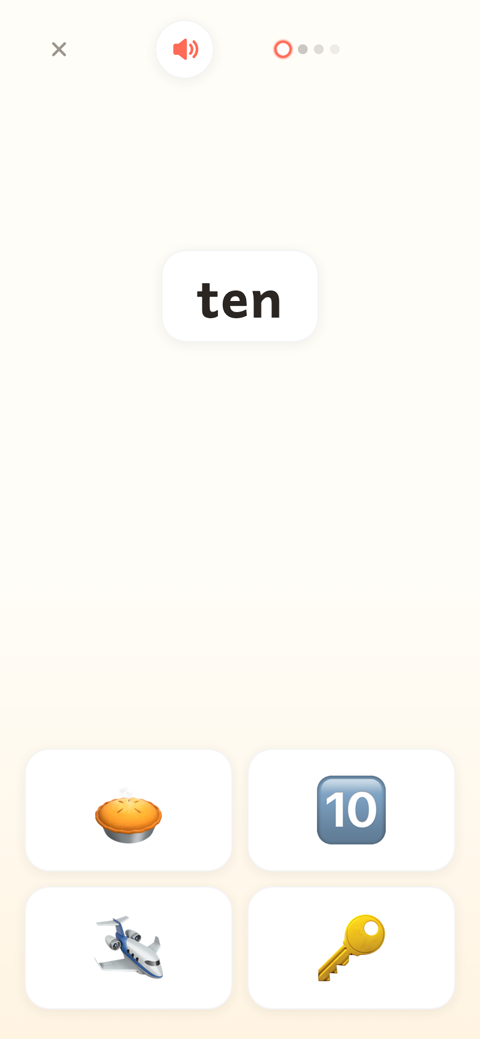
One ladder, not a pile of separate games
Search around for blends and digraphs games and what turns up is scattered: one site's board game, another's printable pack, a third that files blends and digraphs as two unrelated shelves.
Word Safari runs blends and digraphs through the very same ladder as everything before them and everything after: 73 letter sounds in total, single letters first, then digraphs and trigraphs, each one taught only once its building blocks are already known. A child never jumps from a CVC-word app to a separate blends app and back. The same word bank, the same 10 game modes and the same account carry them straight through.
Parents tracking a formal curriculum will recognise this as roughly Cambridge Primary Stage 1 territory. See our Cambridge Primary Stage 1 practice page for more detail. Word Safari's English track is aligned to that framework; it is not an official Cambridge product and is not endorsed, accredited, or run in partnership with any Cambridge-branded provider.
Why it still has to stay decodable
It's tempting to think any game with the right letters in it will do. Blends and digraphs are exactly where guessing creeps back in if a word list isn't built carefully.
A word like ship or stop only feels readable, rather than memorised, if sh and st have actually been taught first. Word Safari's decodable word bank and sentences keep that discipline through this stage, so a child is genuinely sounding out harder words, not pattern-matching a shape they've half seen before.
A short placement round, about five minutes, finds where a child's sounds already sit and is built to always end on a win rather than stopping mid struggle. From there, every round keeps adjusting on its own, so nobody has to guess whether today is a blends day or a digraphs day.
What's inside at this stage
Hand-curated across 7 phonics tiers, with plenty built from blends and digraphs.
Up to six children on one account, each with their own level and progress.
Single letters through digraphs and trigraphs, in a proven, taught order.
Seven reading modes and three spelling modes, introduced gradually as they're ready.
Spelling comes along for the ride
Reading a blend and spelling it back are two different jobs, and Word Safari treats them that way. Three of the ten game modes work on spelling specifically: listen & spell, letter builder, and missing letter, each pulling from the same word bank a child is already reading from, so a word like shrimp or chest gets practiced both ways instead of just the one.
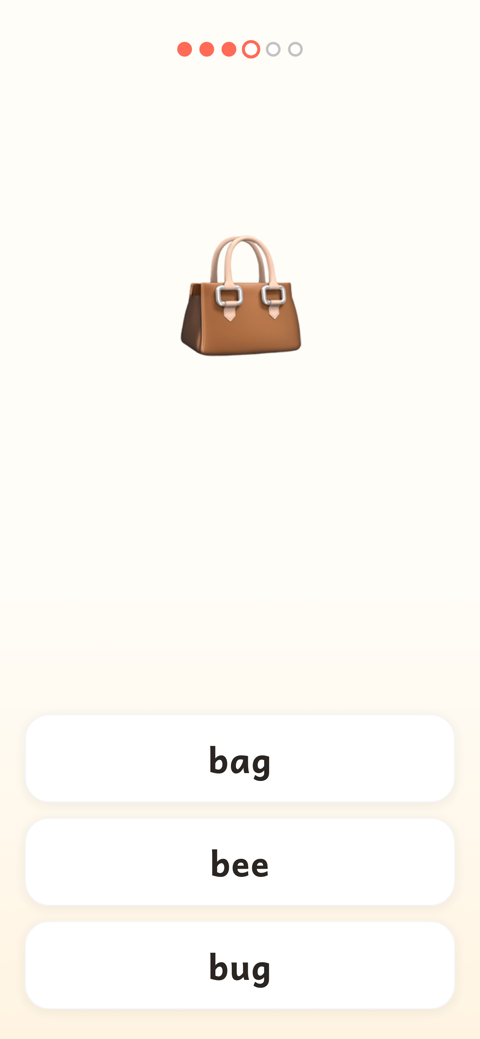
See where blends and digraphs take them
Sign up free and let a short placement find exactly where your child should begin.
Prefer to see it first? Try a round on the homepage demo →
No ads, offline, and private by default
Questions parents ask
My child already reads CVC words like cat and dog. Is this the right next step?
Yes. Blends and digraphs are exactly what usually comes right after CVC words are solid: sounds like sh, ch and th, and clusters like st or pl. Placement finds where your child's sounds and words already sit, so they move straight into this stage instead of repeating what they already know.
What's the actual difference between a blend and a digraph?
A digraph is two letters making one new sound, like sh or ch. A blend is two or three consonant sounds said quickly together but each still heard, like st or spl. Word Safari's 73 letter sounds are taught in a set order, single letters first, then digraphs and trigraphs, so a child meets each one only once its building blocks are already known.
Is this printable, or fully a screen-based game?
Fully on screen: no printing, no cutting, no board pieces to buy. It runs as an installable web app, works offline once saved to your home screen, and uses the same ten game modes, seven for reading and three for spelling, whichever stage your child is on.
Does this cover spelling blends and digraphs too, or just reading them?
Both. Three of the ten game modes practice spelling on their own terms: listen & spell, letter builder, and missing letter, all drawing from the same word bank your child is already reading from.