
Sight Words Games, Taught the Way Reading Actually Works
For the child drilling the same handful of tricky words over and over, Word Safari treats sight words as what they really are: a small set of true exceptions, taught inside real sentences and stories, never a flashcard pile to grind through alone.
English content spans ages 4 to 11 across 7 phonics tiers and 1,347 hand-curated words. A few true exceptions live in every tier, from everyday words at the very start to trickier ones several tiers later.
What Counts as a Sight Word, Really
Most of the words your child meets in Word Safari are fully decodable: sound out each letter or letter pattern, blend them, and the word comes out right. Sight words are the small minority that don't play by that rule.
A word like "the" turns up in a child's very first sentences, long before they've learned the "th" digraph it's built from. Ask a beginning reader to sound it out letter by letter and they'll stall on a rule nobody has taught them yet. Words like this get taught differently: as a whole shape to recognise, not a pattern to decode. That's the actual, narrow meaning of "sight word", and it's a much smaller list than most flashcard packs suggest.
The Exceptions, Taught as Exceptions
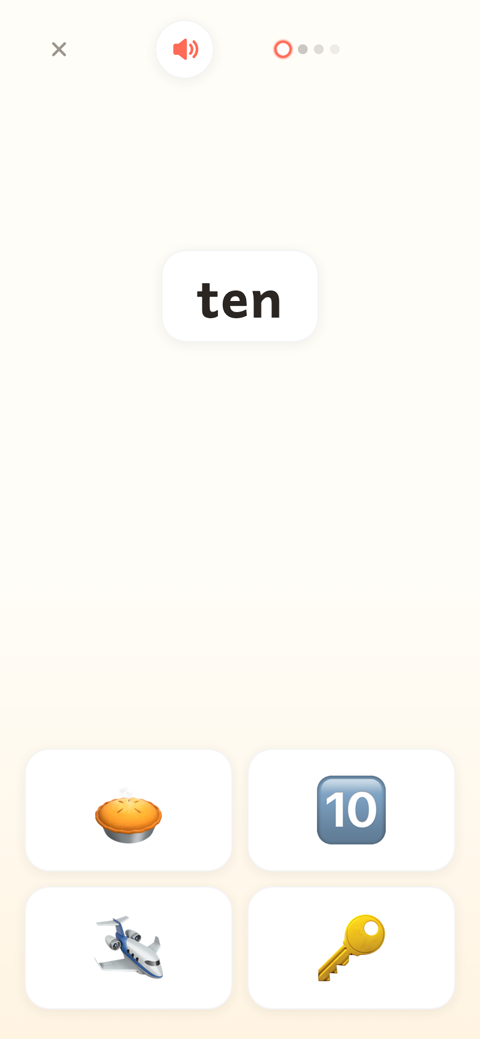
Word Safari doesn't have a game mode called "sight words", because sight words aren't a separate subject to switch into. Inside the word bank, each word carries a tag, and the handful that don't sound out cleanly are simply marked as sight words rather than matched to a rule. Everyday ones like "the", "was", "they" and "said" show up from the very first tier. Trickier irregulars like "thought", "through", "enough", "caught" and "brought" arrive several tiers later, once a child is ready for words that long.
Those words then turn up exactly where every other word does: inside reading rounds and inside real sentences, at whatever tier a child's placement has put them at. There's no separate list to sit down and memorise before the "real" game starts.
Why We Didn't Build a Flashcard Pile
Plenty of sight words apps take the opposite approach: a fixed list, often the classic 220-word Dolch set, drilled through matching games and flash cards until it sticks. That teaches a child to recognise a word's shape, which works right up until they meet a word that isn't on the list.
Word Safari's word bank runs the other way round. Phonics comes first: 73 letter sounds, from single letters through digraphs and trigraphs, carry almost every word a child reads. Sight words are the exception layered on top of that foundation, not a separate curriculum competing with it. A child who has played through Word Safari has practised sounding out hundreds of words and met a small, honest list of the ones that don't sound out the usual way.
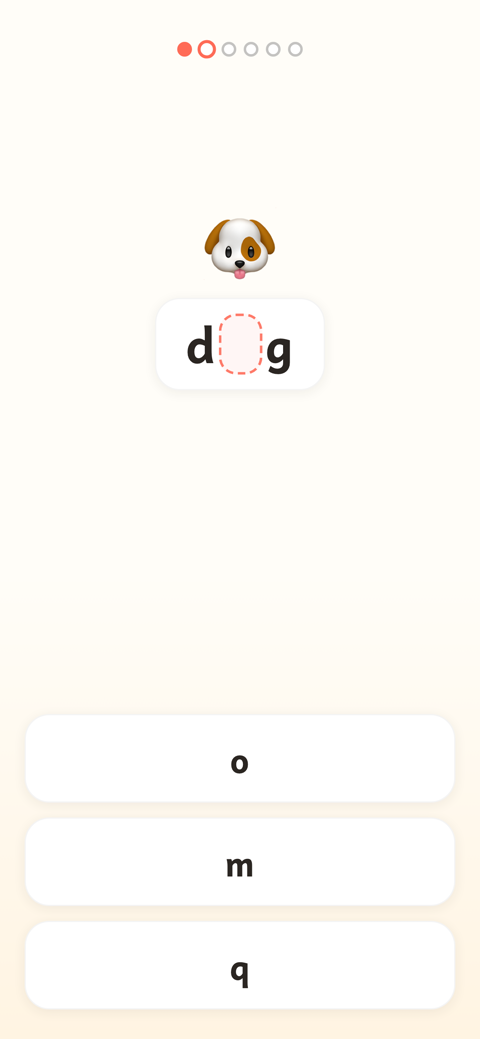
Spelling works from the same word bank. The listen and spell, letter builder and missing letter modes all pull from whatever a child is currently reading, exceptions included, so a sight word your child has just met in a story shows up again a few rounds later in a spelling challenge, not on a separate drill sheet.
What's Inside
Hand-curated across 7 phonics tiers; the true exceptions are tagged, everything else is decodable.
Up to six children on one account, each with their own level and progress.
The ladder that carries a child from first sounds to Year 6 vocabulary, adding harder exceptions as it goes.
Seven reading modes and three spelling modes, all drawing from the same tagged word bank.
Every Sibling, Their Own Level
A 5 year old just meeting "the" and "was", and an 8 year old wrestling with "thought" and "enough", don't have to share a level. Each kid profile keeps its own placement and its own progress, in every language it plays, so one sibling's harder exceptions never spill into another's turn.
See Where Placement Puts Them
Sign up free and let a short placement find your child's tier, exceptions included.
Prefer to see it first? Try a round on the homepage demo →
No Ads, Offline, and Private by Default
Questions Parents Ask
Does Word Safari have a sight words mode?
Not as a separate mode, no, because sight words aren't a separate subject in Word Safari. A small set of true exceptions, words that don't play by the sound it out rule, are marked as sight words in the word bank itself. Your child meets them inside the same reading modes and stories as everything else, at the tier where they belong, learning them by repetition rather than a rule.
Will my child just end up memorising word shapes?
No. Word Safari is decodable first: almost every word your child reads is genuinely sounded out, tier by tier. Only the true exceptions, words like the, was, they and said, and later thought, enough and brought, are taught as wholes, because they can't be sounded out with rules a child has learned yet. That's a small minority of the word bank, not the method.
Which words count as sight words in the app?
Everyday words your child meets very early, like the, a and was, plus trickier irregular words that show up several tiers later, like thought, through, enough, caught and brought. Every one of them still appears inside real sentences and stories, never alone on a flashcard.
Does this replace phonics teaching?
No, it works the other way round. Phonics is the foundation and sight words are the small number of exceptions layered on top of it. If you want the phonics side on its own, our phonics games page covers that directly.